Architectural & Engineering
Partnering with architects, design engineers, plumbing engineers, and mechanical contractors to deliver buildable, maintainable water systems.
Pure Process Technology partners with architectural, engineering, and construction teams to deliver buildable, maintainable water systems. With design-assist support, BIM-ready content, and fast, accurate submittals, we help projects move from concept to commissioning without costly revisions or field surprises.
Why A&E Teams Partner With PPT
PPT works alongside architects, engineers, and construction teams to simplify design, reduce risk, and deliver water systems that install cleanly and operate reliably long after turnover.
Design-Assist From Day One
Early involvement supports basis-of-design narratives, coordination, and clear documentation from concept through construction.BIM-Ready Documentation
Revit families, P&IDs, and layouts integrate cleanly into design sets and coordination models.Buildable System Details
Access, isolation, drainage, sampling, and service clearances are designed to work in the field—not just on paper.Fast, Reliable Submittals
Pre-engineered platforms like SkidSpec and QuickLab enable accurate submittals in compressed timelines.Reduced Design Risk
Early alignment minimizes late-stage revisions, RFIs, and change orders during construction.Local, Responsive Support
New England-based team providing jobsite support during installation, commissioning, and turnover.
Applications & Systems We Commonly Specify
Architectural and engineering teams rely on PPT to support a wide range of laboratory, life-science, and industrial projects. We help translate performance requirements into clearly defined systems that are easy to specify, coordinate, install, and maintain—whether supporting a single lab suite or a multi-floor facility.
Our recommended platforms cover central generation, hygienic distribution, point-of-use polishing, and water recovery, allowing teams to match system scope to building layout, utility constraints, and long-term operational needs.
Central RO/DI generation for laboratory and life science facilities
Departmental and point-of-use lab utilities
Hygienic water distribution for regulated environments
Mechanical room and utility space planning
Sustainable water reuse strategies
Multi-discipline coordination for complex facilities
Systems that fit the way you work
recommended systems for Architectural & Engineering
A short list of platforms we commonly specify for this environment. Each can be configured around your quality targets, flow demand, and facility constraints.
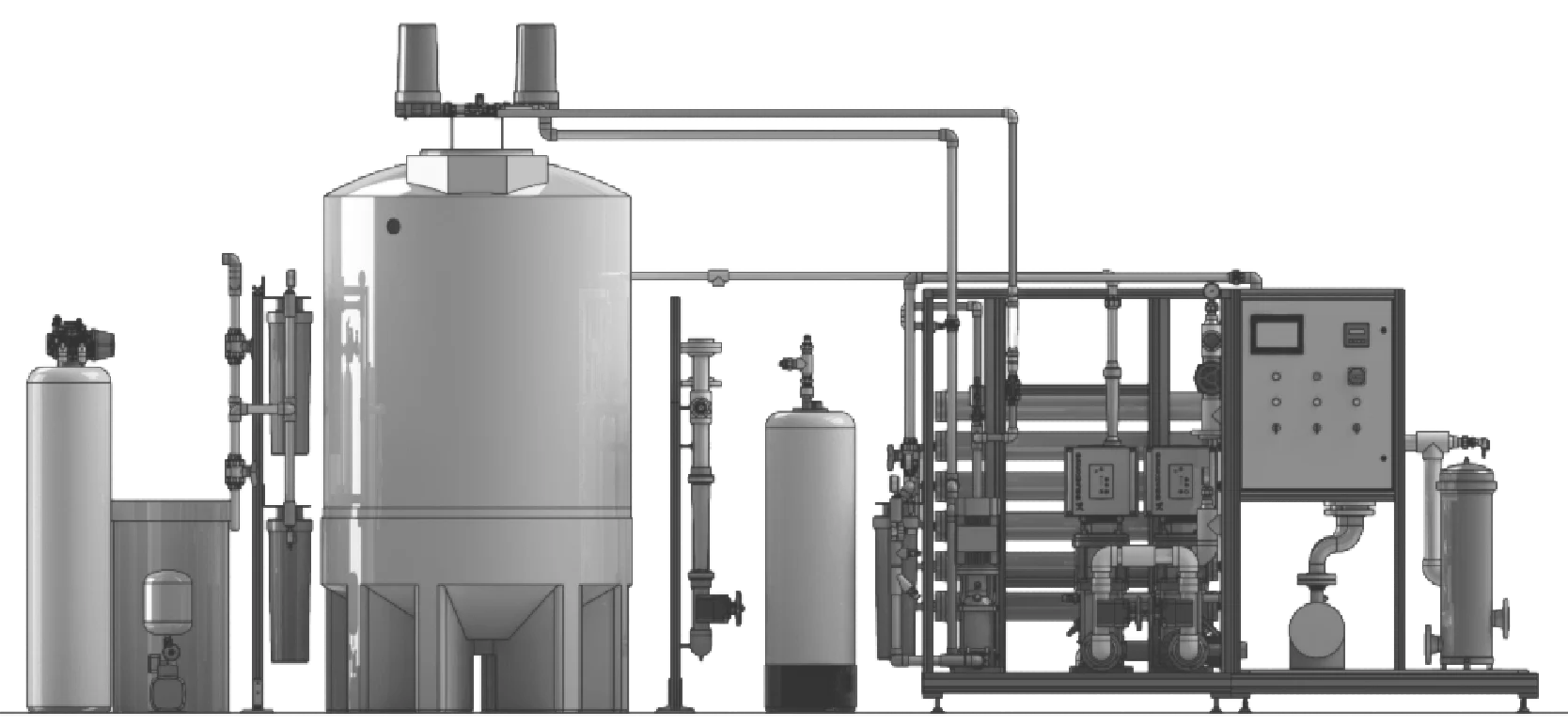
SkidSpec
High-capacity purification system built to your specs. Provides reliable, continuous high-purity water for demanding environments.
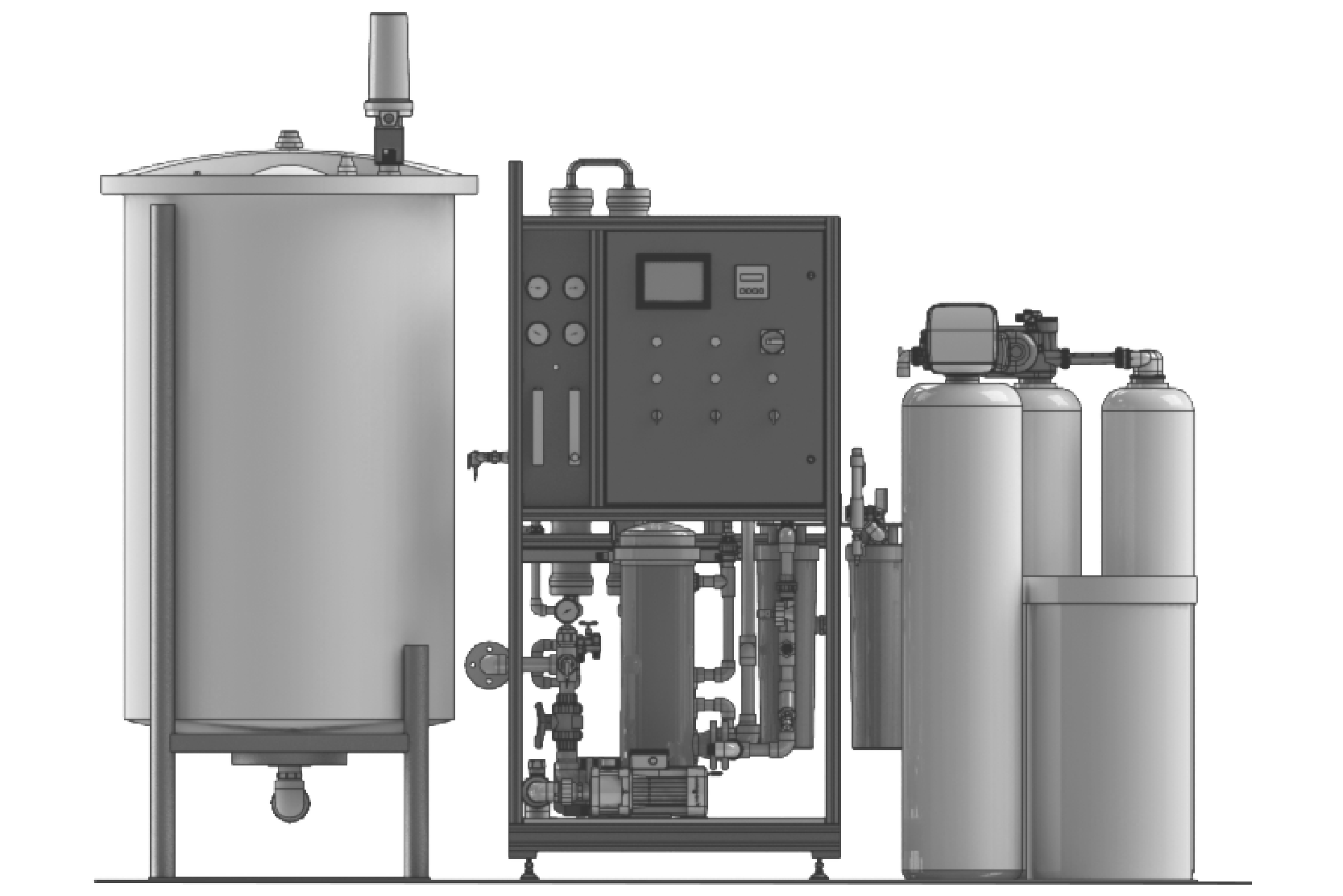
QuickLab
Compact turnkey system delivering ASTM-grade water for mid-volume labs. Flexible configurations fit your space, budget, and performance needs.
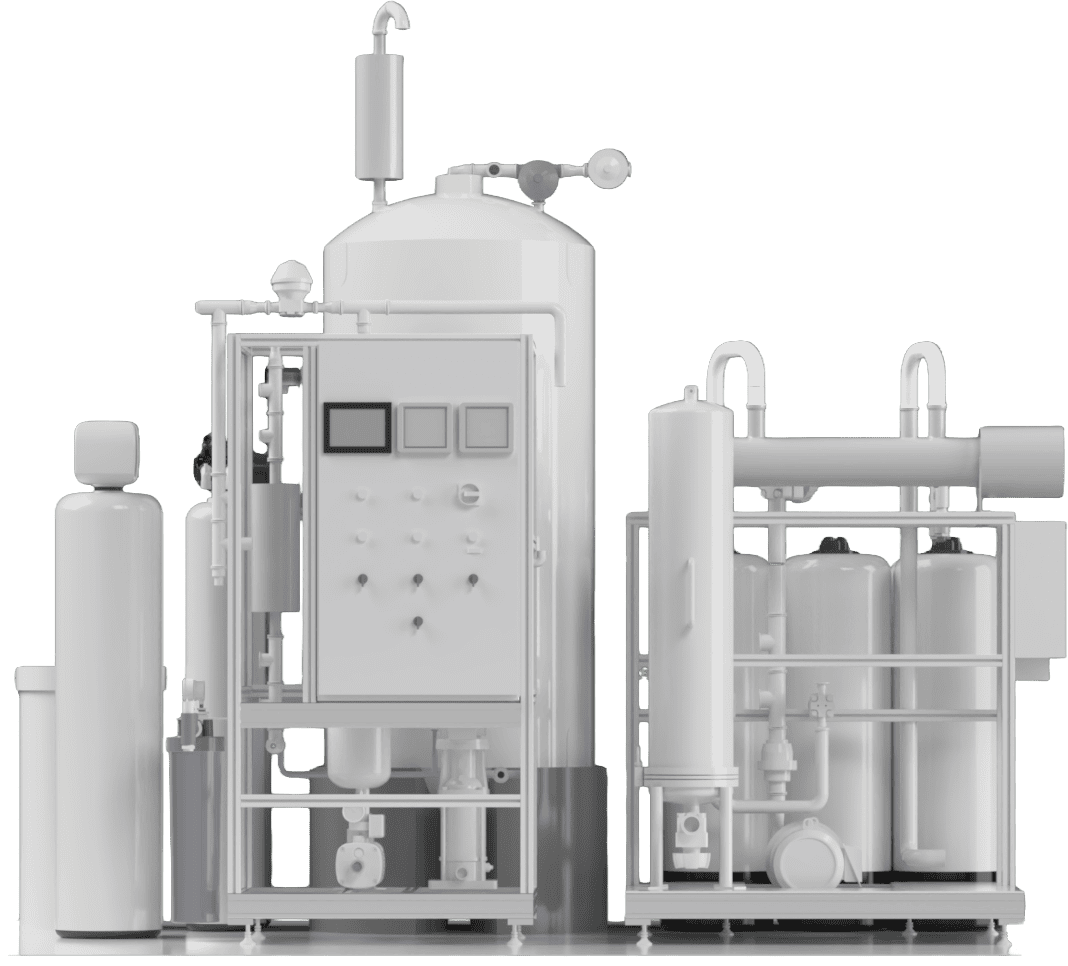
SaniSpec
USP Water Systems built to cGMP standards and specifications. Sanitary design in a cost-effective package without the high cost of ownership.
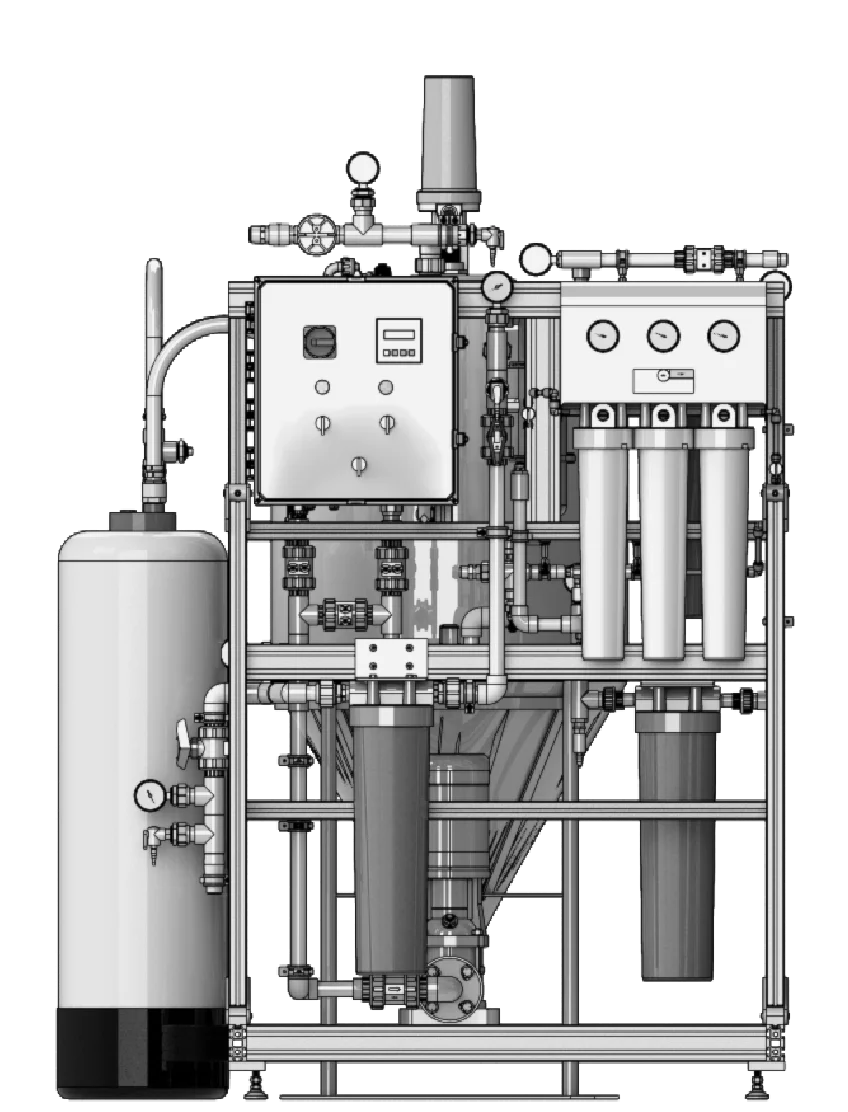
MiniLab
Compact, space-saving system for low-demand applications. Delivers dependable ASTM-grade water in a smart, efficient footprint.
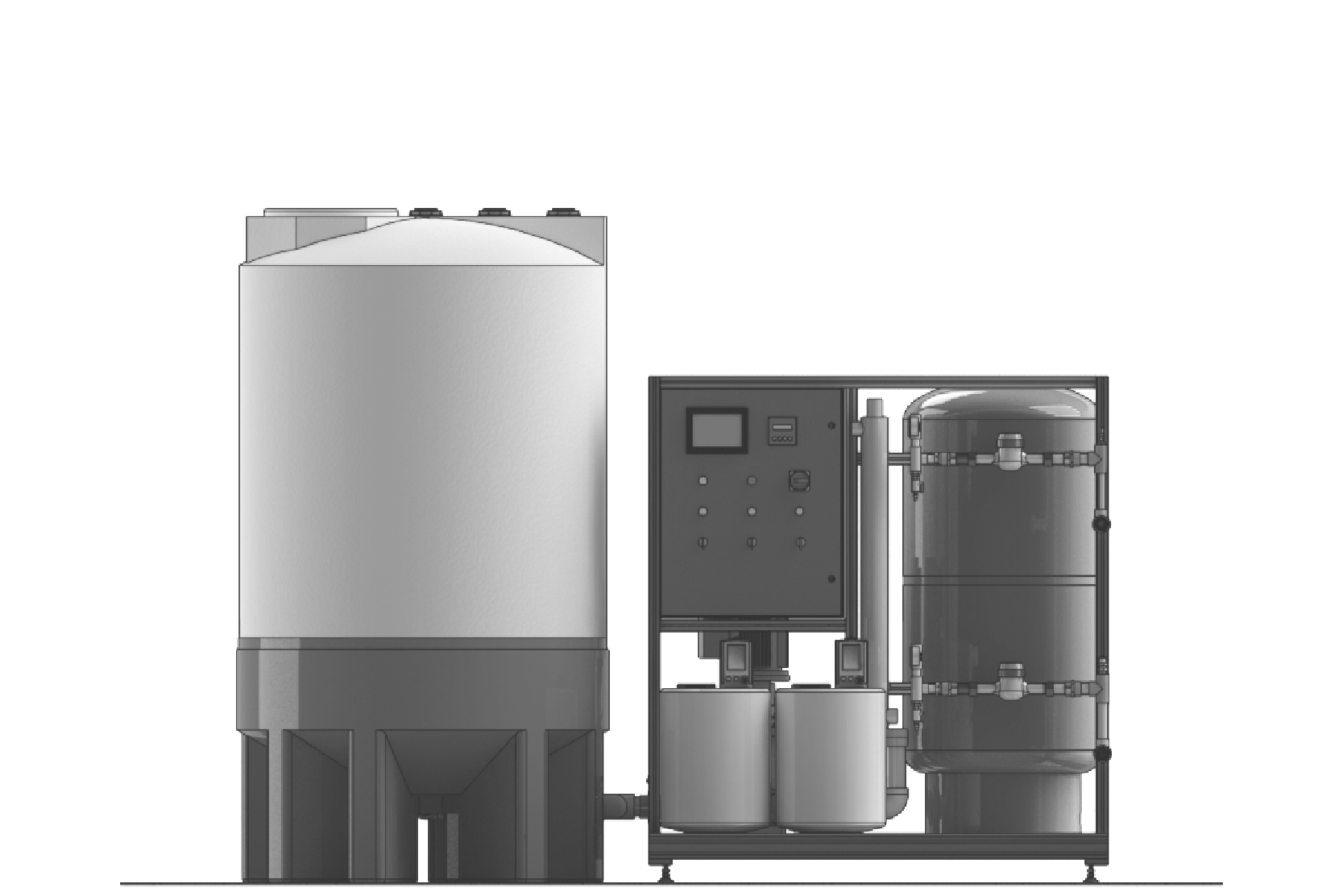
Reclaim
Recover and reuse RO reject water with confidence. Reduces waste and cost by recycling rinse or reject streams.
Coordination Constraints & Design Considerations for Architectural & Engineering
Early Utility Definition
Water quality, flow, drainage, power, and ventilation must be defined early to prevent redesigns during later phases.Drainage & Sanitary Requirements
High-purity systems require proper drain placement, air gaps, and slopes to support sanitization and long-term operation.Service Access & Clearances
Systems must allow access for maintenance, filter changes, and troubleshooting without disrupting adjacent spaces.Clear Scope Demarcation
Clear separation between base-build utilities and process equipment reduces RFIs and change orders during construction.Accurate BIM Coordination
Incomplete or generic models create clashes. Accurate footprints and service zones are critical for coordination.Commissioning & Turnover Expectations
Owners expect systems that are documented, commissioned, and ready to operate at turnover.
Typical Scope of Support
PPT supports A&E teams with practical engineering input and clear documentation that simplifies coordination, accelerates approvals, and keeps projects moving smoothly from design through turnover.
Load calculations, equipment sizing, and room layouts
Utility matrices, tie-in details, and coordination drawings
Editable specification language and alternates
BIM/Revit content and P&IDs
Commissioning documentation and O&M packages
Site support during installation, startup, and turnover